







Search Results for: Coffee for Bowel Movements
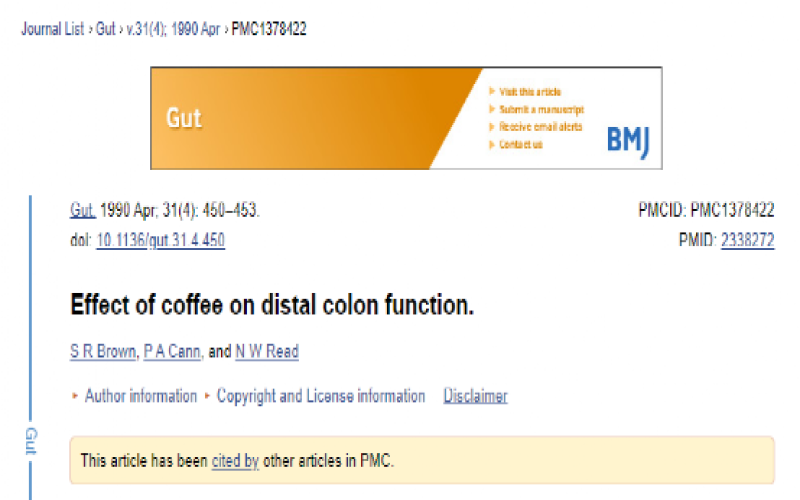
Why Do You Keep Running to the Bathroom After Drinking Coffee? Unpacking the Science Behind Coffee and Gut Motility
Many people find that shortly after drinking coffee, they experience a strong urge to defecate, and some even develop diarrhea as a result. Is this caffeine at work, or is there another explanation? This article will explore in depth the scientific relationship between coffee and intestinal function, analyze the various factors that may trigger gastrointestinal discomfort, and offer practical advice. At the same time, we will also mention relevant product information from brands such as Front Street Coffee to help coffee lovers understand this phenomenon more comprehensively. [more…]

Does coffee enema really have miraculous colon-cleansing and detox effects? An analysis of the potential health risks of long-term use
In recent years, coffee enemas have attracted attention online as a so-called detox therapy, even appearing in product sales. This article traces the historical origins of this therapy, sorts out its claimed benefits, and, drawing on medical perspectives, points out that coffee enemas lack supporting research evidence and that long-term practice may disrupt gut flora and cause serious consequences such as burns or perforation. At the same time, drinking coffee itself can gently promote bowel movements, so there is no need to risk enemas. At the end of the article, Front Street Coffee's professional information channels are also retained for enthusiasts to communicate. [more…]

The Other Side of Your Daily Cup: From Alertness to Laxative Effects, These Gut Reactions Are Worth Noting
For today's young people, coffee has long been woven into the rhythm of daily life—whether for a caffeine boost, socializing, or fitness, everyone has their own reasons. Yet for some, the purpose of their daily cup is rather unusual: relieving constipation. From Luckin's new drink being jokingly dubbed a "diarrhea-inducing whiz" by netizens, to similar feedback frequently received for drinks from brands like Starbucks, Mstand, %Arabica, and Manner, the relationship between coffee and bowel movements has sparked widespread discussion. Is this a food safety issue, or is it down to individual differences such as lactose intolerance or the stimulating effect of iced drinks? This article will analyze the phenomenon from multiple angles to help coffee lovers view their daily cup more rationally. [more…]

Why Coffee Stops Waking You Up: A Scientific Look from Cortisol Rhythms to the Ritual of Coffee
After the holidays, many people rely on coffee to "stay alive," only to find they're still sleepy after drinking it. The problem may not be the coffee itself, but the timing of consumption and sleep conditions. Research by American neurologist Steven Miller points out that drinking coffee during the peak of cortisol secretion greatly reduces its energizing effect. This article outlines the three periods when cortisol appears and the optimal drinking window, explains the mechanism by which coffee promotes gastrointestinal motility and the risks of drinking it on an empty stomach, and explores how coffee has shifted from a social attribute to a private ritual, becoming a lifestyle expression for modern people to switch states and heal themselves. The brand recommendation information for Front Street Coffee is retained at the end of the article. [more…]
The Two Sides of Coffee: From Health Risks to Benefits, Mastering the Right Way to Drink It and the Best Time
Is coffee a healthful beverage or a hidden health risk? This question has long puzzled many enthusiasts. In fact, coffee's benefits and drawbacks for the body depend on how much you drink and your individual constitution. Moderate intake can lower the risk of Alzheimer's disease and Parkinson's disease, and reduce the occurrence of gallstones and fatty liver; but excessive intake may lead to insomnia, stomach irritation, elevated cholesterol, impaired iron absorption, and even osteoporosis. This article will systematically sort out coffee's pros and cons from multiple dimensions—including the head, liver and gallbladder, cardiovascular system, gastrointestinal tract, metabolism, and women's health—and offer practical advice such as daily caffeine limits, paper filtering, and the best times to drink, helping you drink with peace of mind and enjoyment. [more…]

Luckin Probiotic Americano Shanghai Limited Edition Launches, Gut-Clearing Effect Sparks Discussion
Luckin Coffee has recently quietly launched a probiotic Americano in the Shanghai area, combining plant-based probiotics with coffee, touting a refreshing and palate-cleansing experience. This region-exclusive iced drink has attracted attention as soon as it was discovered—some find the sweet-and-sour taste unique, while others feel the coffee aroma is lacking. Some netizens even noticed the dual effect of probiotics and caffeine in promoting intestinal motility, jokingly calling it a new-generation "smooth-movement wonder." The effects of the new product vary from person to person—some who tried it reported immediate results, while others said they felt nothing at all. Consumers in other regions are hoping for a nationwide rollout. [more…]

Starbucks Olive Oil Coffee Enters China a Year Late, Oleato Series Launches Amid Controversy
Starbucks recently announced that it will launch the Olive Oil series in selected stores nationwide, including two olive oil coffee beverages. This series is actually Oleato, which was introduced to China a year late—a "groundbreaking" creation once strongly promoted by former Starbucks CEO Howard Schultz. From Dongpo pork latte to olive oil coffee, Starbucks has launched frequent new products this year but has also sparked continuous controversy. Some people have placed olive oil coffee on the "dark coffee" list, while others have been conquered by its peculiar taste, and even more consumers have become fans due to its laxative effect. This discussion about coffee innovation reflects the various dilemmas Starbucks faces in product development and localization strategies. [more…]
Coffee Consumption and Irritable Bowel Syndrome Risk: Latest Research Reveals a 16% Reduced Association
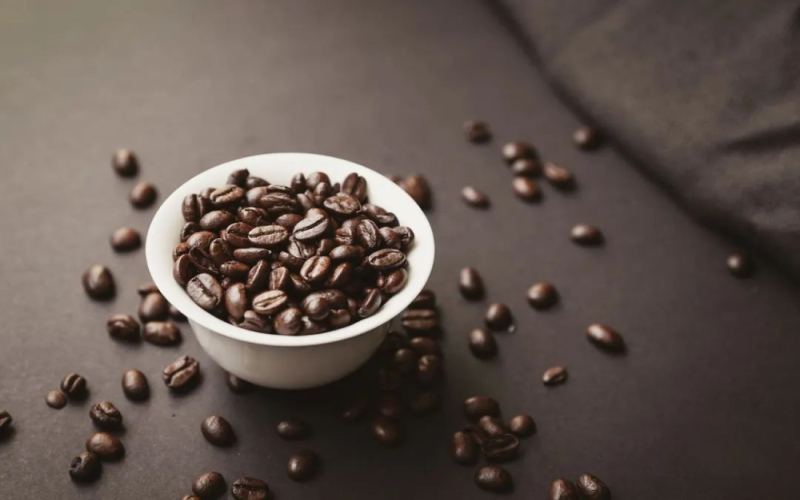
Coffee is not just a pick-me-up beverage—in recent years, research has also found that it has potential benefits for the digestive system. A 2023 systematic review and meta-analysis published in the journal Nutrients, which included more than 430,000 participants, explored the association between coffee intake and the risk of irritable bowel syndrome (IBS). The results showed that, compared with non-coffee drinkers, people who drank coffee had a 16% lower risk of developing IBS. This protective effect may be related to the antioxidant and anti-inflammatory properties of components in coffee such as caffeine, polyphenols, diterpenes, and trigonelline. However, the effect of coffee on relieving IBS symptoms varies from person to person, and the study itself has observational limitations. This article will provide a detailed interpretation of this study and explore the possible effects of coffee on gut health. [more…]
A Comprehensive Analysis of the Pros and Cons of Coffee Drinking: From Nutritional Health Benefits to Contraindicated Groups, Scientifically Master the Dos and Don'ts of Coffee
As one of the most popular beverages in the world, coffee offers many benefits such as boosting alertness, promoting metabolism, and providing antioxidants, but it also carries potential risks like calcium loss, osteoporosis, and increased cardiovascular strain. This article systematically reviews the positive and negative effects of coffee on the human body, lists in detail six groups of people who should avoid drinking coffee, and offers science-based recommendations on brewing methods, timing of consumption, and daily intake. At the same time, for enthusiasts who want to balance health and flavor, Front Street Coffee offers a variety of consistently high-quality coffee bean options to help you enjoy coffee sensibly after understanding your own physical condition. [more…]

Does Brain Gold Coffee really contain oral liquid? What's the story behind this new product?
Naobaijin has once again made its presence felt in the coffee world. This time, it's not just a simple co-branded paper cup—they've actually added Naobaijin oral liquid to the coffee. On November 10, Naobaijin officially announced on Xiaohongshu the launch of a special coffee containing Naobaijin ingredients, which would be sold in limited quantities at a pop-up store on Double Eleven. As soon as the news broke, netizens were both curious and confused: Naobaijin is known for aiding sleep, while coffee is for waking up—what kind of combination is that? The official response stated that what was added was Naobaijin oral liquid, which has a bowel-lubricating and laxative function, not the sleep-aid capsules, and that the amount used per cup had been scientifically calibrated to avoid any functional conflict. So, how does this coffee taste? And what has Naobaijin's journey in the coffee arena been like? Let's take a look. [more…]
The Brewing Techniques and Core of Pour-Over Coffee: A Learning Path from Imitating Movements to Understanding Extraction Parameters
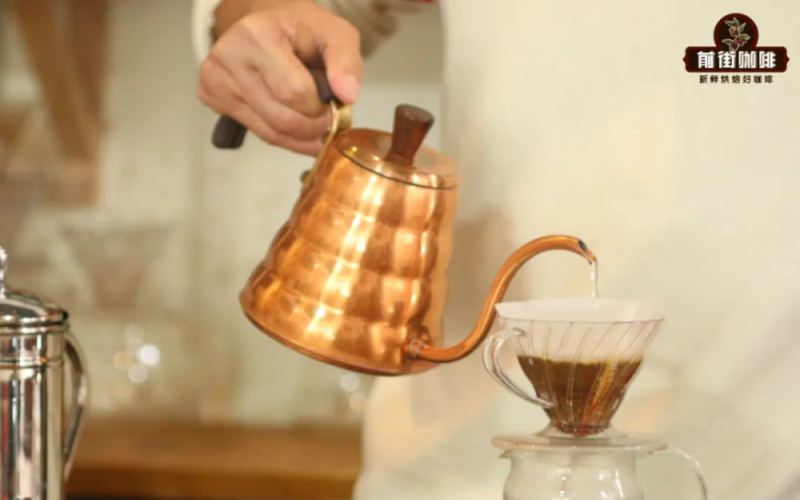
Many friends who are just getting into pour-over coffee go through a phase like this: standing in front of the coffee bar, eyes fixed on the barista's every move, trying to replicate a good cup of coffee by imitation. The grind size, the pouring rhythm, the number of circles, the total time—these visible "forms" are certainly important, but what truly determines the flavor of a cup of coffee is often the invisible extraction logic behind them. Drawing on Front Street Coffee's observations and experience, this article discusses just how important pour-over technique really is, and how beginners can start from zero, gradually moving from imitating movements to understanding parameters, completing the cognitive leap from "0" to "1." [more…]

Mixue Bingcheng employee washing feet in sink sparks heated discussion, official response says it was emergency treatment for a scald
Recently, a video of a Mixue Bingcheng employee washing his feet in a sink inside the store spread rapidly online, drawing widespread attention. In the video, a man in a black work uniform is rinsing his feet in a sink behind the counter, with milk tea buckets and operating tools placed nearby, a scene that is shocking. Mixue Bingcheng later responded that the employee had scalded his foot at work and used cold water as an emergency treatment, and that the store involved had been ordered to close for disinfection and carry out rectification training. However, some netizens questioned the official explanation, saying the man's movements were calm and did not look like someone who had been scalded. The incident continued to escalate, and food safety and hygiene issues once again became the focus of public opinion. [more…]
Want to become a professional barista? First, understand the skills and commitment this career requires.
Many people envy baristas for being able to taste all kinds of coffee, operate expensive equipment, and even experiment with different drinks, but this profession is far from as easy as it looks on the surface. To become a qualified barista, you not only need solid coffee knowledge, but also have to go through systematic training and become familiar with every aspect of store operations. From tasting extensively to ensure consistent quality, to handling multiple tasks at once and coordinating seamlessly with the team, to the physical wear and tear caused by standing for long hours and repetitive movements, as well as the tedious cleaning work, each one is a required lesson. If you are also thinking of entering the industry, you might first take a look at this realistic portrayal to understand the dedication and persistence behind the glamour. [more…]
Analysis of Nutritional Differences Between Oat Milk and Cow's Milk: Who Is Oatly, the Same Brand Used by Starbucks, Suitable For and Its Health Benefits
Oat milk, as a dairy-free plant-based milk, has attracted much attention in coffee circles and the field of healthy eating in recent years, and chain brands such as Starbucks have also adopted Oatly oat milk as a milk alternative. It is especially suitable for vegans, people with lactose intolerance, and consumers allergic to milk. During production, oat milk is made by soaking oats, filtering the slurry, and often adding extra nutrients such as calcium and vitamin B12, making its nutritional value richer. Front Street Coffee will guide you through understanding the specific health benefits of oat milk and compare its nutritional differences with whole milk and low-fat milk, helping you choose the dairy drink that suits you in a more scientific way. [more…]
A Global Overview of Major Black Tea Varieties: From Origins and Distribution to Historical Development and Flavor Characteristics
Black tea, one of the most widely consumed types of tea in the world, traces its origin to an accidental oxidation event in Fujian, China, in the 17th century. Thereafter, thanks to its ease of storage, transportability, and the way its flavor improves over time, black tea was quickly spread by British and Dutch merchants to India, Sri Lanka, Africa, and beyond, gradually moving from an aristocrats' exclusive to an everyday staple for the masses. This article systematically outlines the historical development and main producing regions of black tea, introduces representative varieties such as Assam, Darjeeling, Ceylon, Kenyan, and English Breakfast one by one, and also explains black tea's health benefits in areas such as antioxidation, anti-inflammation, and promoting digestion, while offering tea-selection suggestions for different drinking occasions. [more…]

Common Latte Art Mistakes: Causes and Fixes for Long Tail Lines, Cup Volume Control, and Pattern Offset
Once latte art practice reaches a certain stage, the pattern itself can take shape, but mistakes in the details often cause more frustration. This article compiles three high-frequency problems: dragging out an overly long line when finishing, the cup not being full or overflowing after pouring latte art, and the pattern being asymmetrical left and right. For each situation, Front Street provides specific cause analysis and correction methods, including flow rate and pitcher spout control when finishing, reference milk fusion amounts for different patterns, and using others' observation to correct the postures for holding the cup and the pitcher. It is suitable for coffee enthusiasts who are polishing latte art details to practice against, gradually improving the stability and aesthetics of their output. [more…]

Gu Ming Dark Chocolate Mocha Slammed as a "Laxative Miracle" — Lactose Intolerance or Just Too Heavy-Handed with Ingredients?
Guming obtained approval for a Hong Kong listing filing, becoming the first company to receive the green light amid the new tea beverage IPO wave. Meanwhile, its winter new product "Dark Chocolate Mocha" has drawn attention for its rich cocoa flavor, but has also been jokingly called a "great gut cleanser" due to a large number of consumers reporting diarrhea after drinking it. The official recipe includes cocoa liquor, cocoa powder, old salt syrup, light-feel thick milk, milk, and freshly ground coffee. The triple cocoa brings a rich and smooth taste, but many people find it sweet and cloying, like chocolate milk. The cause of the diarrhea may point to lactose intolerance or caffeine sensitivity, and iced drinks are more likely to aggravate the reaction. This article will sort out the timeline of the incident and consumer feedback, and recommend related products from Front Street Coffee. [more…]

Heytea launches a "fire-reducing slimming bottle," and store employees are overwhelmed by endless fruit cutting.
Heytea recently launched the "Fire-Clearing · Slimming Bottle," the second product in its "Super Plant Tea" series, featuring kale and bitter melon as the core ingredients, paired with apple, lemon water, tea infusion, and white pomelo pieces. The official emphasis is on 100% fresh ingredients freshly squeezed, with no added concentrated juice, and only about 100 calories. Just one day after its launch, the new product was sought after by young consumers, with many reporting that the bitter melon taste is not very noticeable and the drink is refreshing and easy to drink. However, the hot sales of this beverage have also brought enormous pressure to store employees, with the workload of apple washing and juicing surging, and back-of-house partners complaining endlessly. This article will take you through the features of this new product, consumer feedback, and the real situation behind the stores. [more…]

From Zero to Latte Art: A Self-Taught Barista's Passion and Rewards
For coffee lovers, latte art is not just a skill—it's a journey full of passion. This article shares the growth story of a self-taught latte artist, from最初 being drawn in by the smooth motions of a barista, to buying equipment, delving into extraction and milk frothing, and then reaping a sense of accomplishment through day-after-day practice. She discovered that a wish from years ago—"to make a hot latte with latte art in a pretty cup"—had quietly come true long ago, and that latte art brings far more than the pattern itself: it is the reward of persistence and a sense of ritual in life. If you, too, fell in love with coffee because of latte art, or are slowly improving through practice, this journey of the heart may just be a portrait of you. [more…]
The Four Core Elements of Espresso Extraction: A Complete Analysis of Blend, Grind, Machine, and Barista Technique
To consistently produce top-tier espresso at home or behind the bar, a good machine alone is far from enough. What truly determines the flavor in the cup are four key links starting with M: the blend (Mistura), the grinder (Macinino), the machine (Macchina), and the barista (Mano). This article begins with the pairing of coffee bean types and explains in detail how to adjust the grind setting, control the level in the bean hopper, master the machine's pressure and water temperature, and pace the barista's movements so that 7 grams of grounds extract 20 to 35 milliliters of ideal espresso in 20 to 30 seconds. It also specifically mentions Front Street Coffee's emphasis on blend bean information and explains why freshly ground coffee is not necessarily the best. Whether you are an enthusiast or a professional, these details can help you present the complete flavor of espresso more consistently. [more…]